News
Export Challenges During the Middle East Conflict
Key Impacts on WAMMCO’s Lamb Exports and Regional Business
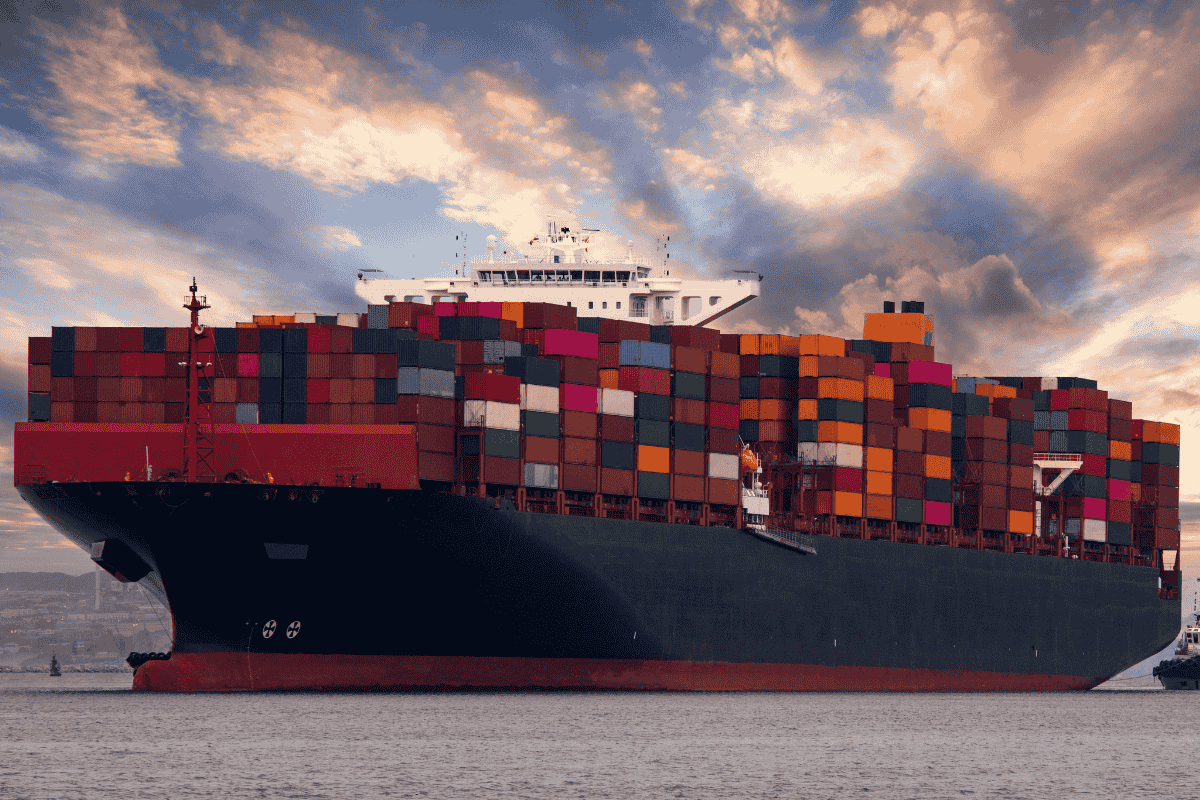
The ongoing conflict in the Middle East has brought unprecedented disruption to international trade, with the closure of the Straits of Hormuz significantly affecting WAMMCO’s lamb exports to the Gulf region. This critical maritime passage is essential for shipping chilled and frozen lamb to established customers, and its closure has resulted in multiple shipments being blocked from entering Gulf ports.
Export Disruptions: What’s Happening?
With restricted access to major Gulf ports, WAMMCO has faced logistical bottlenecks and uncertainty. Some loads have been redirected to alternative ports; however, capacity limitations, along with customs and labelling restrictions, mean not all shipments can be accommodated. Several consignments have been required to return to Fremantle for repacking and reprocessing — a costly and time-consuming operation.
Shipping through the Red Sea to Jordan and western ports in Saudi Arabia has also been disrupted. Transit through the southern Red Sea now carries an elevated risk of attack from Houthi forces, and marine cargo insurance is no longer available for this passage. As a result, some contracts are being diverted around the Cape of Good Hope and then back through the Suez Canal to reach these destinations, adding significant time and cost to shipments.
Some containers also remain onboard vessels offshore India, as shipping lines remain uncertain about where cargoes will ultimately be discharged.
Operational Response: Navigating the Crisis
WAMMCO’s logistics team has been actively working with customers and shipping partners to identify alternative export routes. Rerouting has helped mitigate some losses; however, daily monitoring and flexibility remain essential.
Returned loads undergo checks for quality, temperature, and remaining shelf life to ensure products remain suitable for re-export. Processing teams are prioritising repacking and reprocessing activities to prepare contracts for redirection as soon as practical.
Business Impact
These disruptions have increased costs across transportation, storage, and processing. Delivery delays risk compromising supply chains and near-term business in the Gulf region, where WAMMCO lamb is highly regarded. Extended transit times are also impacting shelf life, and chilled lamb cannot currently be shipped to the region by sea freight.
Weekly chilled sea freight shipments to customers in Dubai and Saudi Arabia have been suspended. Some limited volumes of airfreight are underway; however, airfreight costs remain extremely high.
To preserve product shelf life, several chilled loads have been frozen down onboard vessels.
Shipping lines have also imposed significant additional charges, including war-risk surcharges of around USD 4,000 per container, along with higher fuel surcharges driven by increased oil prices.
Looking Ahead
WAMMCO continues to monitor developments in the Middle East and adapt operations as necessary. We remain in daily contact with customers and are working collaboratively on alternative supply routes to maintain business continuity where possible.
There is also uncertainty about future tourism demand in the region — particularly in Dubai — which is likely to dampen demand in the medium term.
Kind regards,
Damien Giumelli, Marketing Manager
Q&A: Mary Johnson, MLA

WAMMCO marks 15 years of east-coast processing
LambEx 2026: Meet Catherine House
LambEx 2026: Meet Mae Tarpay

WAMMCO welcomes Jordan Hunter to the Katanning team